133 Meters, One Drop
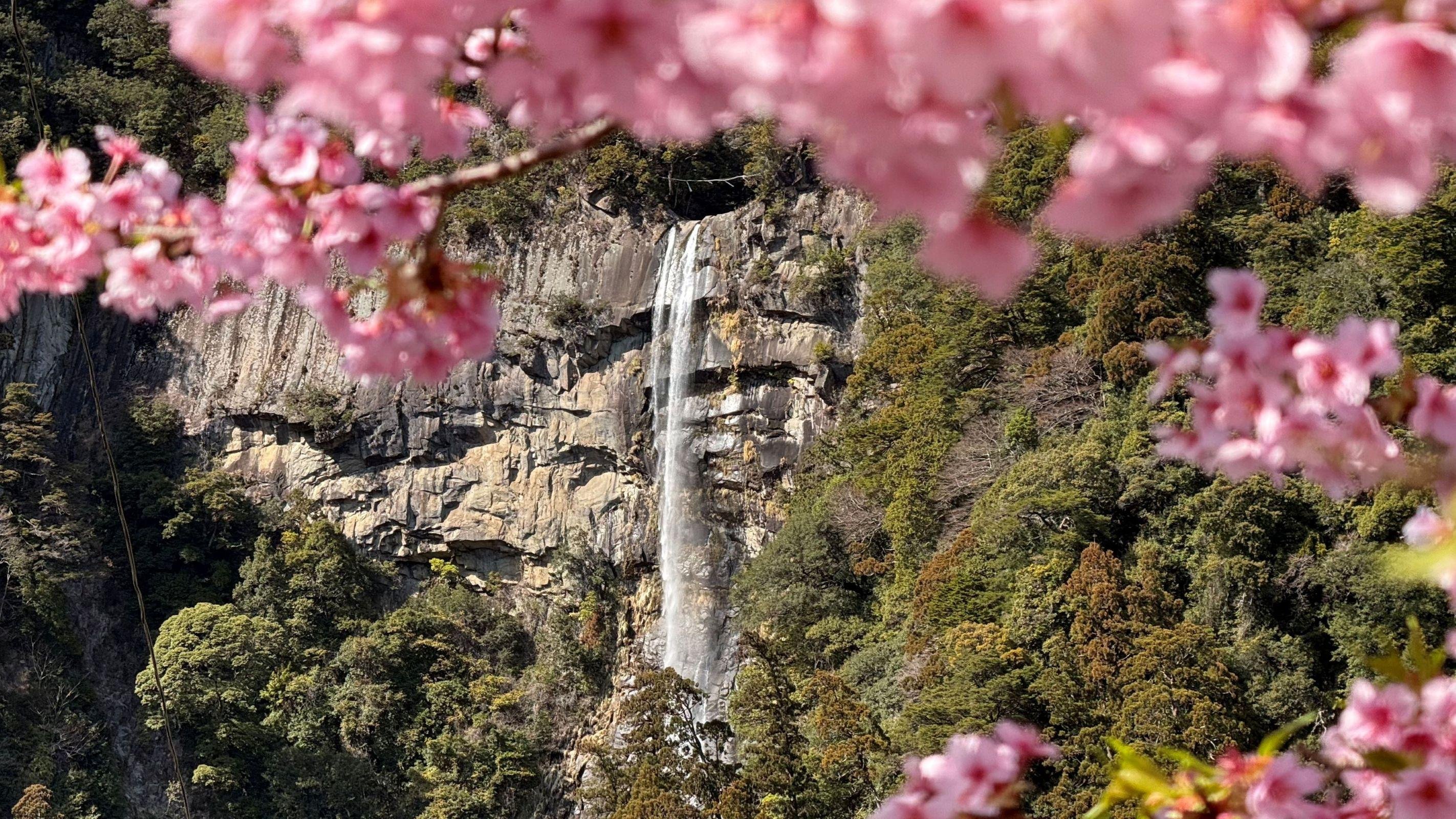
The tallest single-drop waterfall in Japan — and one of the “three great waterfalls” with Kegon and Fukuroda. The falls are the enshrined deity of Hirou-jinja at the base; the closest viewing platform costs ¥300.
Plan the VisitNachikatsuura, Wakayama · Sacred Kumano
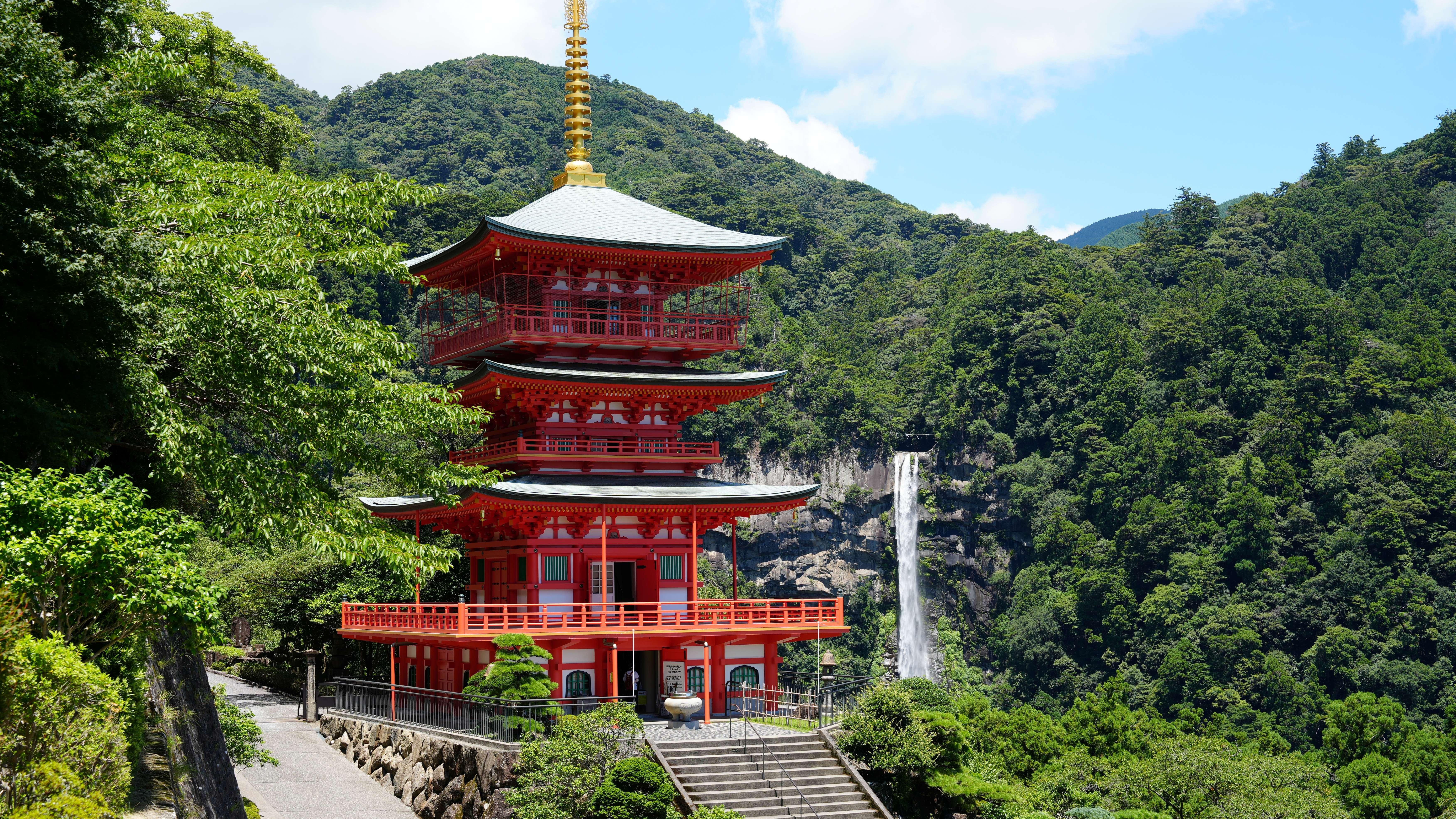
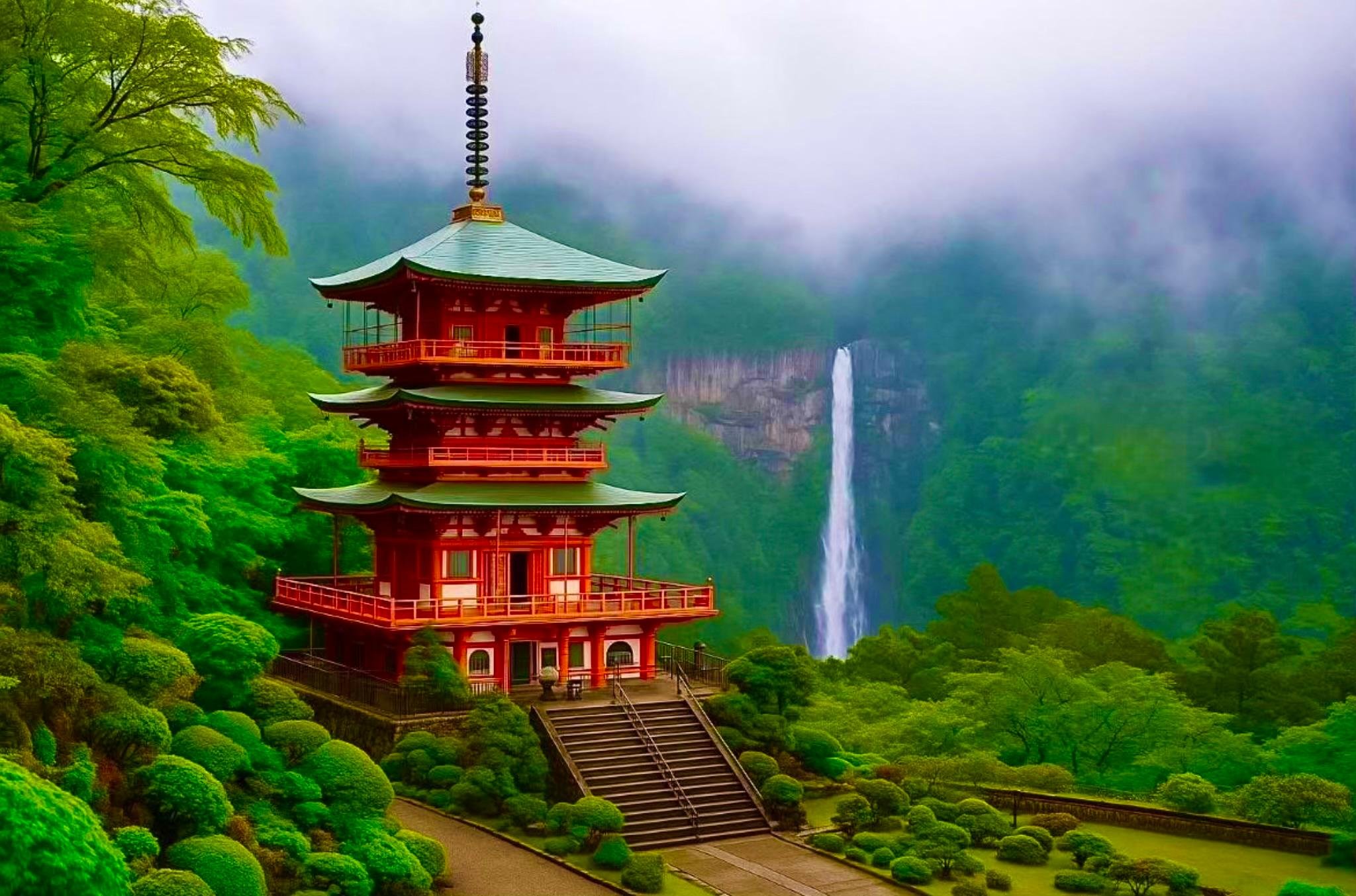
One hundred thirty-three meters of falling water that has been worshipped for centuries — the waterfall is itself the deity of the shrine at its base, framed by the most photographed pagoda in Japan.
A 133-meter drop, a grand shrine, temple #1 of a thousand-year pilgrimage — all on one mountainside.
The tallest single-drop waterfall in Japan — and one of the “three great waterfalls” with Kegon and Fukuroda. The falls are the enshrined deity of Hirou-jinja at the base; the closest viewing platform costs ¥300.
Plan the VisitSeiganto-ji’s three-story vermilion pagoda with the white thread of the falls behind is the image of Kumano — and temple #1 of the Saigoku Kannon pilgrimage.
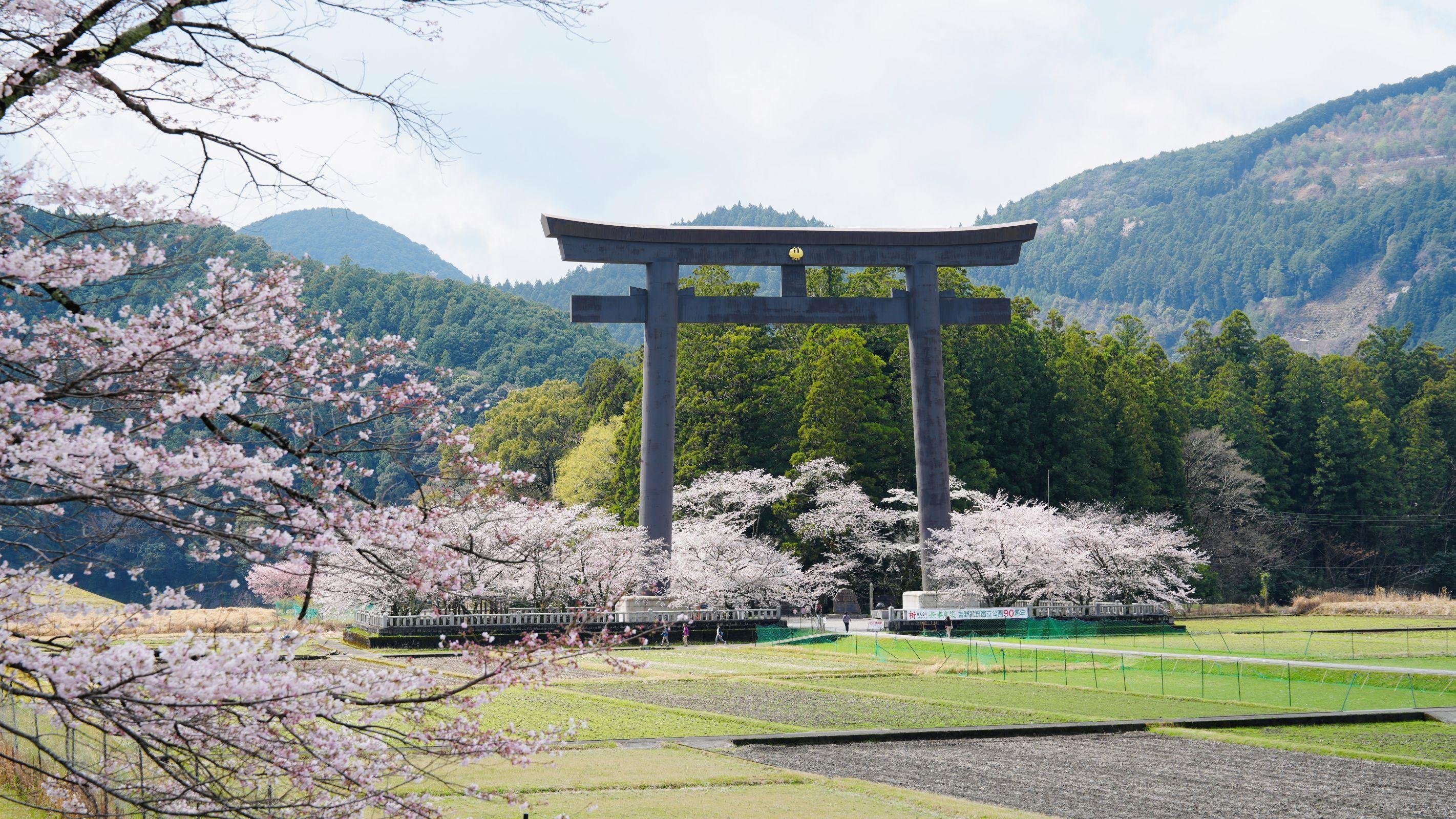
The Photo SpotNachi Taisha is one of the three Kumano grand shrines inscribed by UNESCO in 2004 — with Hongu (and the world’s largest torii gate) and Hayatama across the peninsula.
The Three ShrinesThe Daimon-zaka stone slope — 600 meters under centuries-old cedars — is the best accessible taste of the pilgrimage trail, and it ends at the shrine above the falls.
The Day HikeThe one bookable day that covers Hongu, Hayatama and Nachi — a route that is essentially impossible by public transport in one day.
A fully private day around Nachi, Seiganto-ji and quieter forest trails — the option for small groups who want the mountain at their own pace.
Check Availability
The Kuroshio limited express to Kii-Katsuura plus a 30-minute local bus gets you there without a tour — a long day trip, or an easy overnight from the tuna-port town.
Trains, Buses & CostsStraight talk: as of our last check, exactly two bookable tours put Nachi Falls on a named itinerary — the group day tour above and the private Wakayama day. Everything else in Kumano is DIY territory, and the getting-there guide makes that genuinely easy.
Eight short guides that answer everything the tour pages don’t.
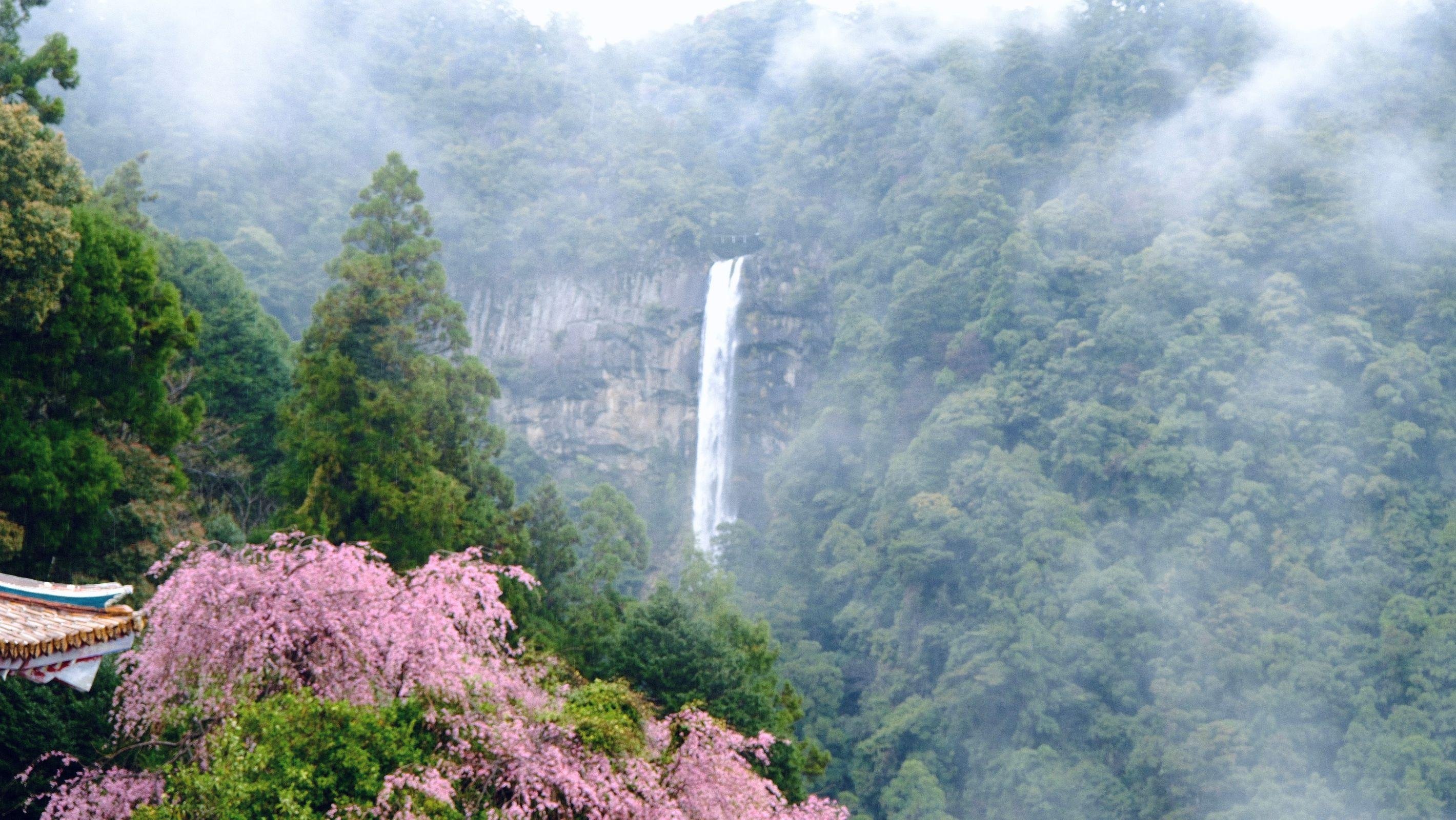
The grand shrine above the falls — stone steps, vermilion halls, and how a visit flows.
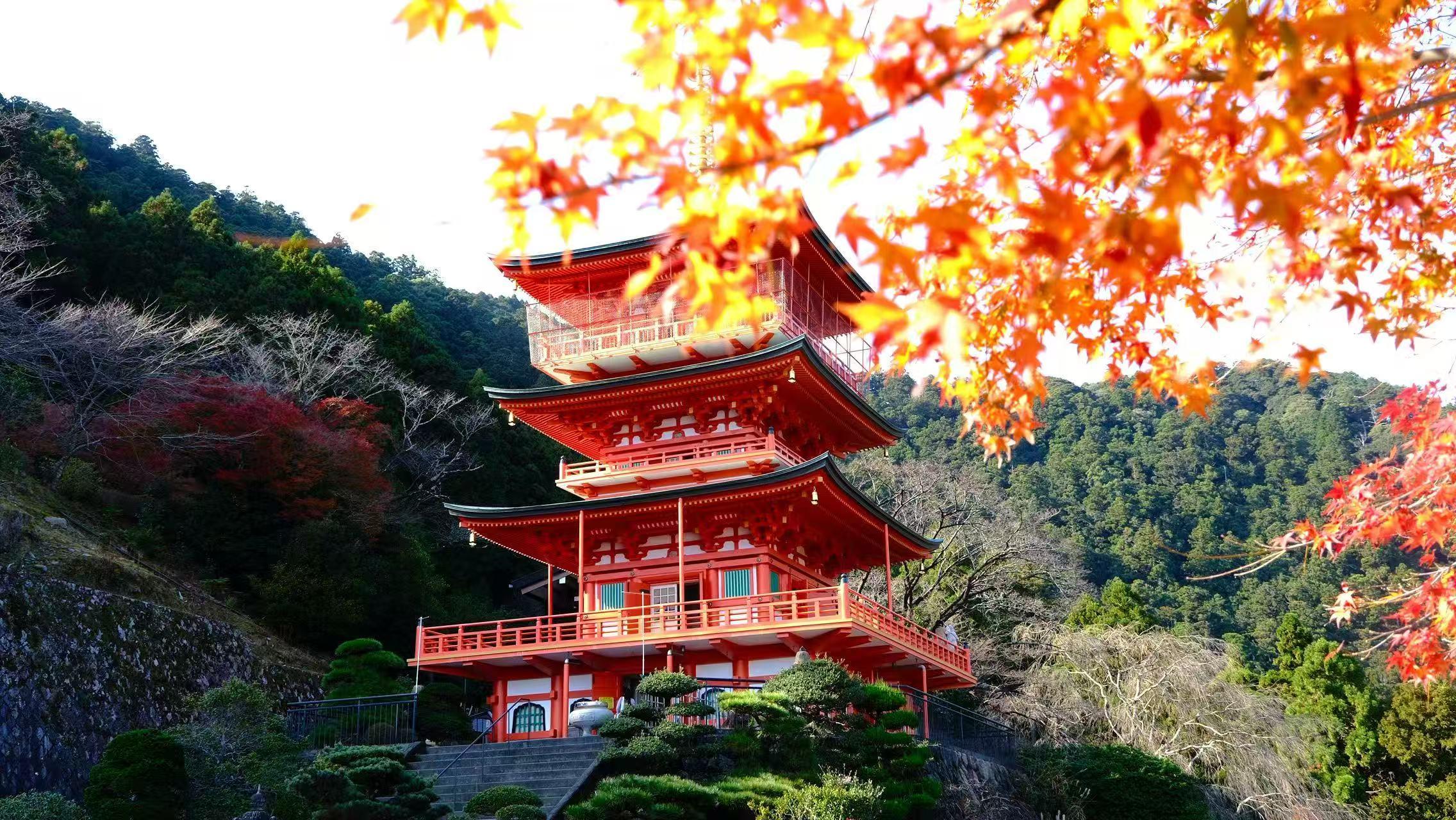
Temple #1 of the Saigoku pilgrimage and the exact spot for the pagoda-and-falls photo.
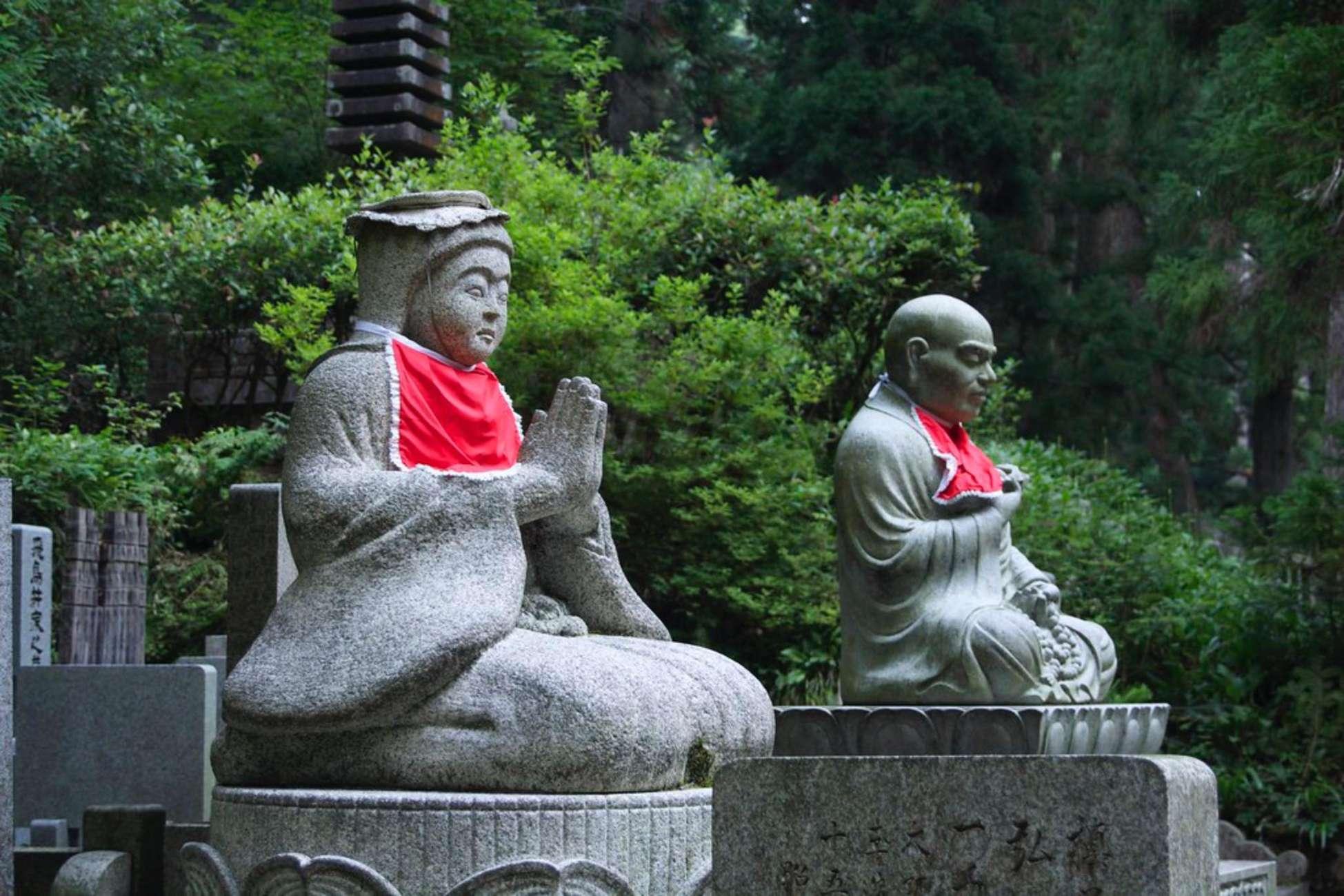
Daimon-zaka’s cedar-lined stone slope — the pilgrimage trail in half a day.
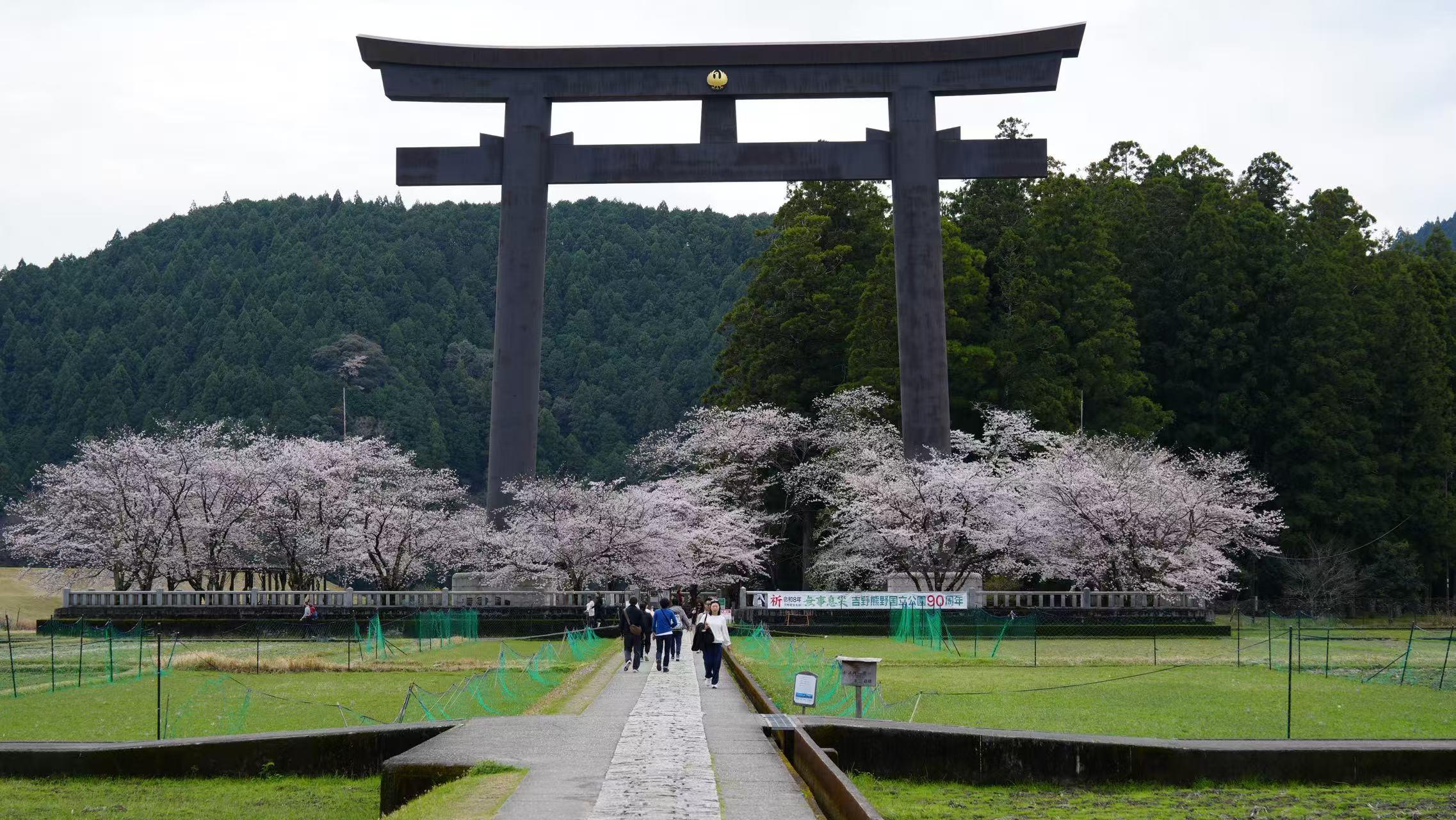
Nachi, Hongu and Hayatama explained — and the world’s largest torii gate.
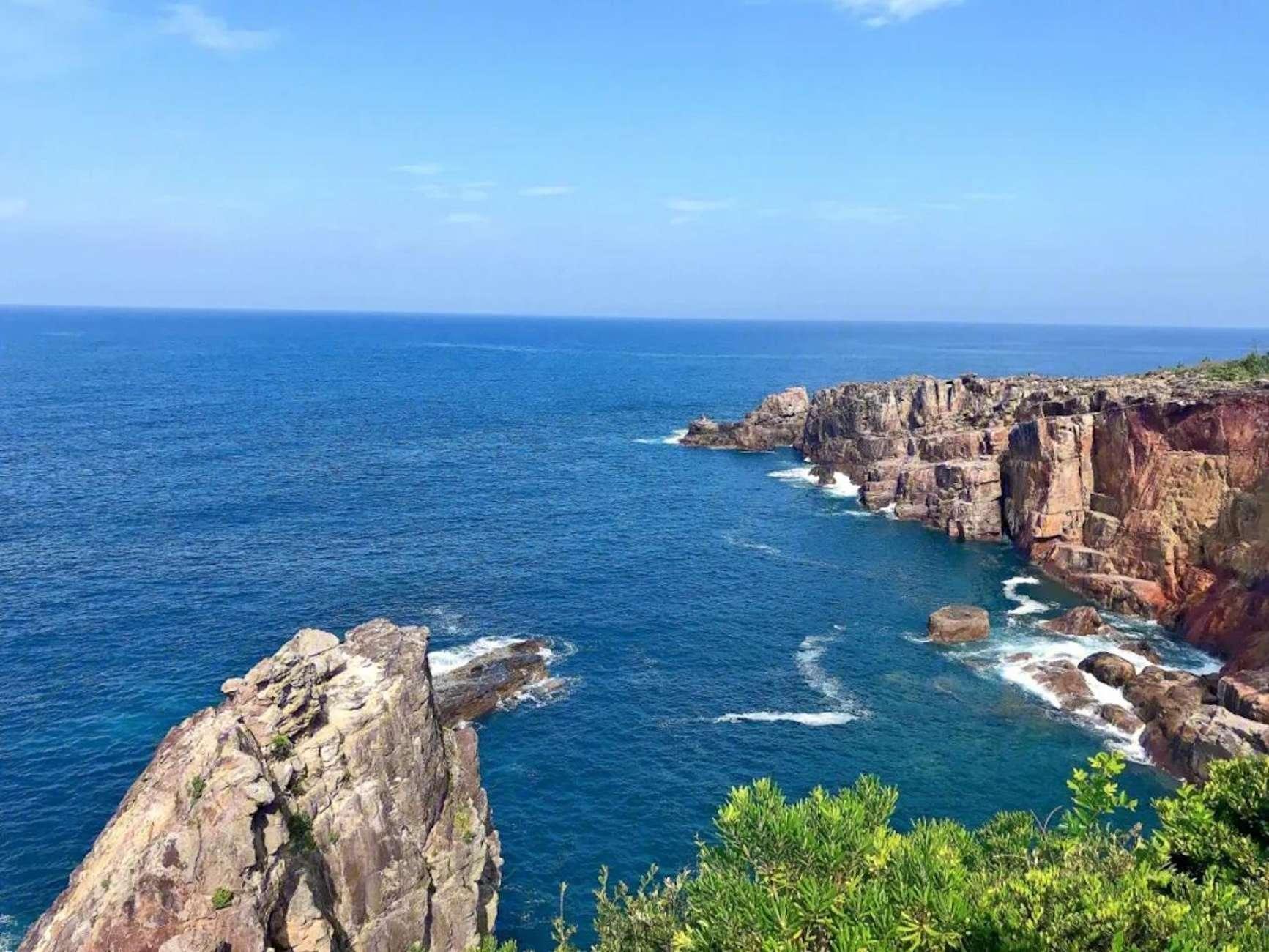
The tuna-port base town: markets, onsen, and why an overnight beats the day trip.
From Osaka by Kuroshio express, from Tokyo the honest way, and the bus up the mountain.
Month by month — and July 14, when twelve burning torches meet the falls.
Falls, shrine, temple, trailheads and stations — pinned on an interactive map.
Comparing Japan’s great waterfalls? See our sister guides to Kegon Falls in Nikko — Nachi’s fellow “great waterfall” — the Kawazu Seven Waterfalls, and Shiraito Falls at Mt. Fuji.
The short, honest answers before you plan the trip.
Nachi Falls drops 133 meters in one uninterrupted fall — the tallest single-drop waterfall in Japan. It is also a shrine: the waterfall itself is the enshrined deity of Hirou-jinja at its base. The Nachi Taisha guide explains how the falls, shrine and temple fit together.
The approach to Hirou-jinja and the standard view of the falls are free. The paid viewing platform — the closest vantage point — costs ¥300 for adults (¥200 for junior-high age and younger) as of mid-2026. The getting-there guide covers the bus stops and walking routes.
Take the JR Kuroshio limited express from Shin-Osaka to Kii-Katsuura (about 3.5-4 hours, reserved seats), then the local bus toward Nachi-san (about 30 minutes, ¥420-620 by stop). It is a long but straightforward day trip; the getting-there guide compares DIY with the guided tour from Osaka.
At Seiganto-ji, the Buddhist temple beside Kumano Nachi Taisha. Its three-story vermilion pagoda stands with the 133m falls directly behind — the most photographed pagoda-waterfall pairing in Japan. The Seiganto-ji guide covers where to stand and when the light works.
Yes — and it is more than a waterfall stop. The falls anchor a half-day circuit: the Daimon-zaka cedar-lined stone slope, Kumano Nachi Taisha, Seiganto-ji and its pagoda, then the falls themselves. Walked as a loop it is the single best accessible taste of the Kumano Kodo.
July 14 each year. Twelve large pine torches are carried down the stone steps to purify the path for twelve mikoshi representing the falls. It is the area’s biggest day of the year — expect crowds and arrive early. The seasons guide covers timing details.
Not realistically by public transport — Nachi, Hongu and Hayatama are spread across the Kii Peninsula with infrequent connections. The one practical way to do all three in a day is the guided tour from Osaka, which is exactly what it was designed for. The Kumano Sanzan guide explains the geography.
Kii-Katsuura, the port town at the gateway station — one of Japan’s biggest tuna ports, with onsen baths and morning seafood markets. Staying overnight lets you reach the falls before the day-trip crowds. The Kii-Katsuura guide covers the town.
Book the day tour from Osaka that covers all three Kumano grand shrines — ending at Nachi Falls.
Book Your Kumano Day Tour